
Understanding Stock Market Sectors: A Comprehensive Guide
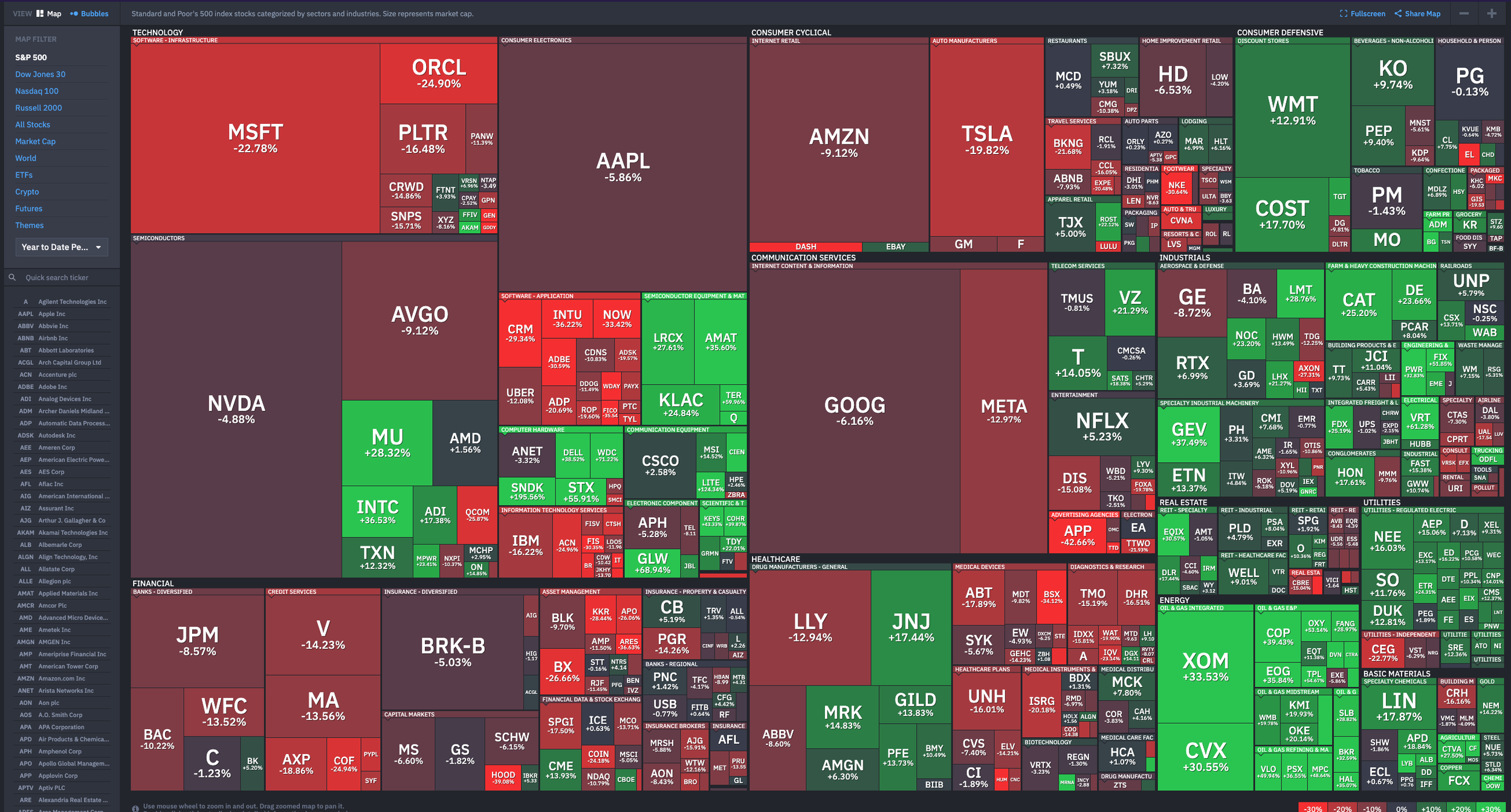
S&P 500 Sectors
Learn what stock market sectors are, why they matter, and how to identify opportunities within them. Perfect for both new and seasoned investors.
When it comes to investing in the stock market, understanding sectors is crucial. Why? Because sectors can significantly impact the performance of individual stocks and help you make informed investment decisions. In this post, we will delve into what stock market sectors are, their importance, and how to navigate them effectively.
## What Are Stock Market Sectors?
A stock market sector is a distinct category that groups companies with similar business activities. This organizational structure helps investors and analysts understand market dynamics and identify trends. Sectors are essential for recognizing how external factors affect stock performance and making strategic investment choices.
### Why Are Sectors Important?
Sectors play a critical role in the stock market for several reasons:
- Performance Insights: If a sector is thriving, the companies within that sector are likely to perform well, potentially leading to higher stock prices.
- Risk Management: Understanding sector performance can help you manage risk. For instance, if a sector is in decline, even well-performing companies may suffer due to overall negative sentiment.
- Investment Opportunities: Knowing which sectors are outperforming can point you toward investment opportunities, while identifying underperforming sectors can help you avoid potential losses.
## Key Sectors in the Stock Market
The stock market is typically divided into various sectors, each comprising companies that share similar characteristics. Here are some of the major sectors:
- Technology: Encompasses companies involved in software, hardware, and information technology services. This sector includes giants like Apple and Microsoft.
- Consumer Discretionary: Includes companies that sell non-essential goods and services, such as Amazon and Tesla.
- Healthcare: Comprises firms in pharmaceuticals, biotechnology, and healthcare equipment. This sector is vital for analyzing trends related to aging populations and medical advancements.
- Utilities: Encompasses companies that provide essential services like water, electricity, and natural gas. These stocks are typically more stable and less volatile.
## How to Analyze Market Sectors
To effectively navigate stock market sectors, consider these strategies:
1. Use Sector ETFs: Exchange-traded funds (ETFs) that focus on specific sectors can provide exposure and diversification within that sector.
2. Monitor Economic Indicators: Keep an eye on economic indicators that affect specific sectors. For example, interest rates may impact financial stocks, while consumer spending influences consumer discretionary stocks.
3. Research Individual Companies: Look beyond sector performance to analyze individual companies. A strong company in a weak sector may present a hidden opportunity, while a weak company in a strong sector may not be a wise investment.
## Conclusion
Understanding stock market sectors is vital for making informed investment decisions. By recognizing how sectors function and analyzing their performance, you can uncover investment opportunities and mitigate risks. Remember, always conduct thorough research before making any investment decisions.
### Frequently Asked Questions
#### What is a sector in the stock market?
A sector in the stock market is a category that groups companies with similar business activities, helping investors understand market dynamics.
#### Why should I pay attention to sectors?
Sectors can influence individual stock performance, provide insights into market trends, and help identify investment opportunities.
#### How do I identify good stocks within a sector?
Research individual companies, monitor sector performance, and consider using sector ETFs for diversified exposure.
